Potentially Polluting Wrecks (PPW)
Around the world hundreds of shipwrecks are ticking time bombs
What Are Potentially Polluting Wrecks (PPWs)?
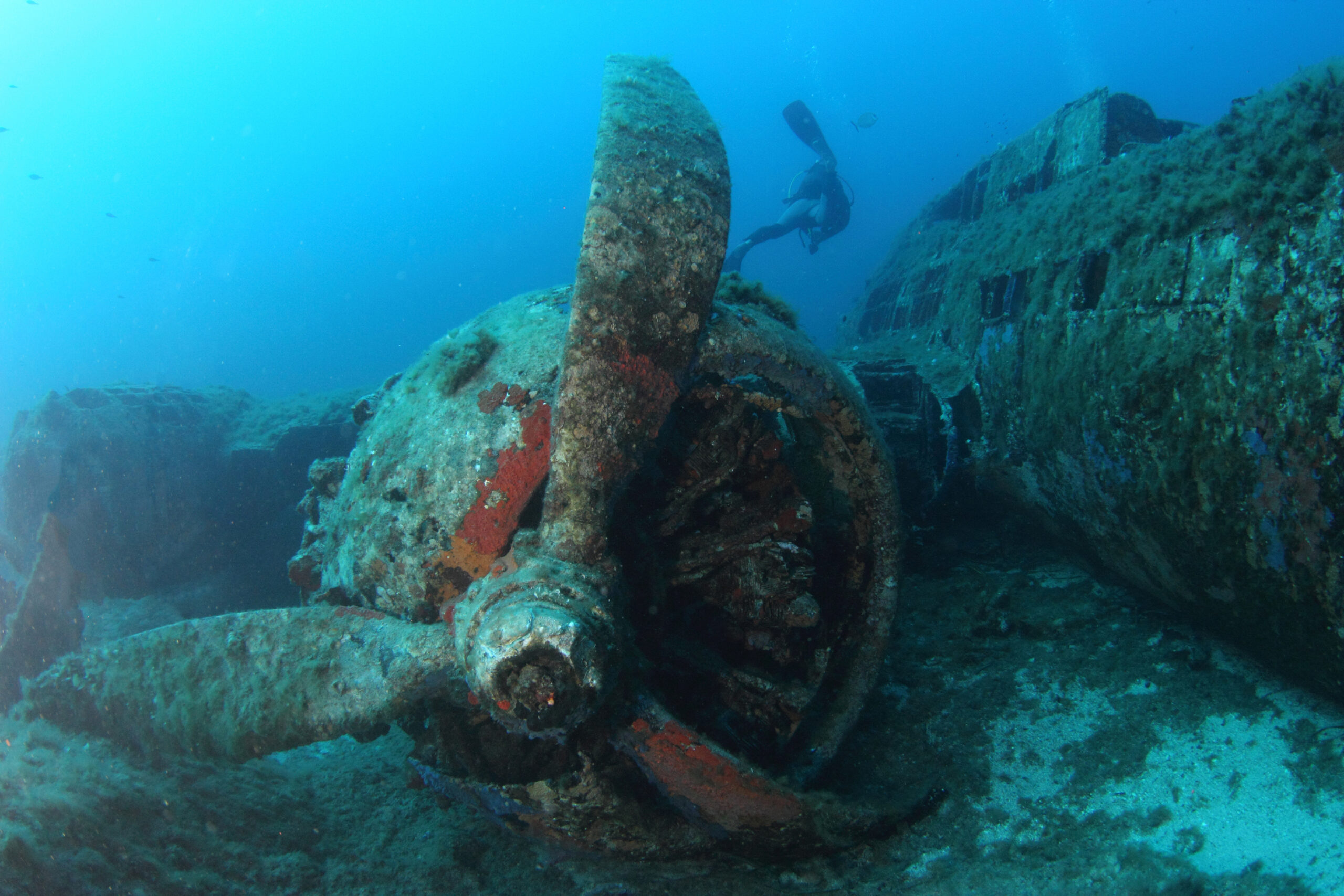
Beneath the world’s oceans lie thousands of shipwrecks—silent reminders of maritime conflict, commerce, and exploration. Many of these wrecks still contain fuel oil, hazardous cargo, chemicals, or munitions sealed inside their deteriorating hulls. These sites are known as Potentially Polluting Wrecks (PPWs).
Over time, corrosion weakens the structure of these sunken vessels. Once the metal hulls fail, the toxic contents can escape into the surrounding waters. With many wrecks dating from the 20th century—especially from the World Wars—experts warn that the risk of large-scale leakage is increasing rapidly. What were once historical sites have become delayed environmental disasters.
The Environmental Consequences
When pollutants leak from a wreck, the impact can be devastating. Heavy fuel oil, chemicals, and munitions can spread quickly through currents, smothering marine habitats, damaging coral reefs, poisoning fish stocks, and threatening coastal communities who rely on healthy seas for food security and livelihoods. Oil released from PPWs does not disperse easily; instead it can persist for months, coating coastlines and accumulating in marine organisms.
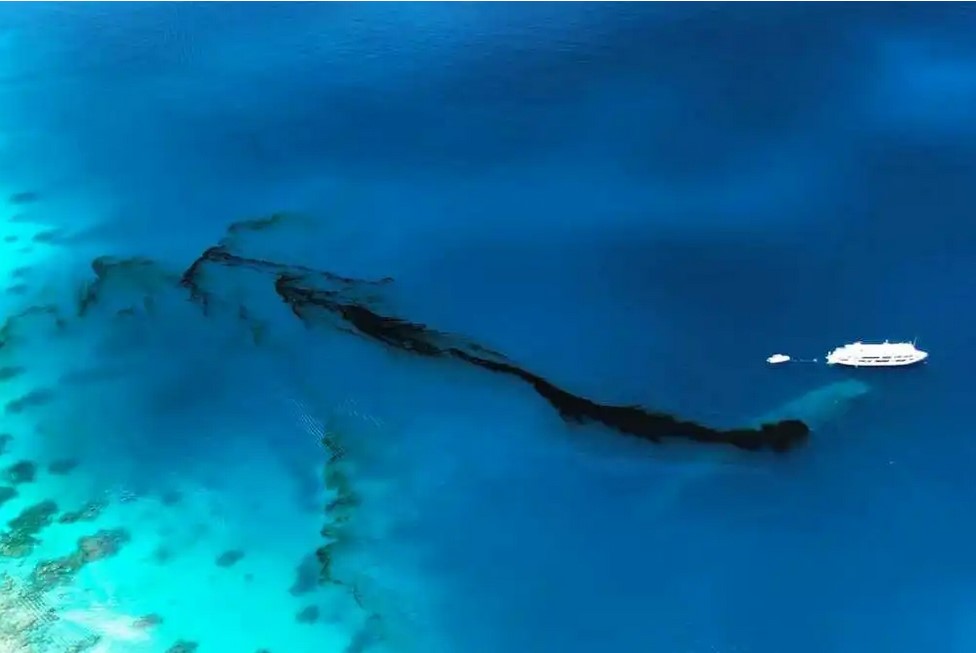
A stark example emerged recently from Chuuk Lagoon in Micronesia, where the WWII wreck Rio de Janeiro Maru, a Japanese passenger-cargo vessel sunk in 1944, began leaking oil. As the ship’s steel hull continued to deteriorate, slicks of heavy fuel emerged on the surface, drifting across one of the world’s most biodiverse reef systems. Local authorities reported damage to mangroves, contamination of nearby beaches, and growing concerns from fishers about tainted catch and declining stocks. Similar leaks are expected globally as aging wrecks reach their structural failure points.
International Action: ICUCH, IUCN, IMO, and UNEP
Recognizing the mounting global threat, ICUCH, in partnership with the International Union for Conservation of Nature (IUCN), developed a comprehensive joint statement addressing the dangers posed by PPWs. This statement highlights the need for coordinated international action to identify high-risk wrecks, assess their environmental impact, and prioritize intervention.
The initiative calls for the creation of a toolkit and standardized guidelines, developed together with the International Maritime Organization (IMO), to support countries in managing and mitigating risks associated with potentially polluting wrecks.
This joint statement was formally presented to the UN Environment Program (UNEP). Their response was unequivocal: UNEP acknowledged the seriousness of the threat and endorsed the aims of the statement, marking an important step toward global cooperation on PPW remediation.